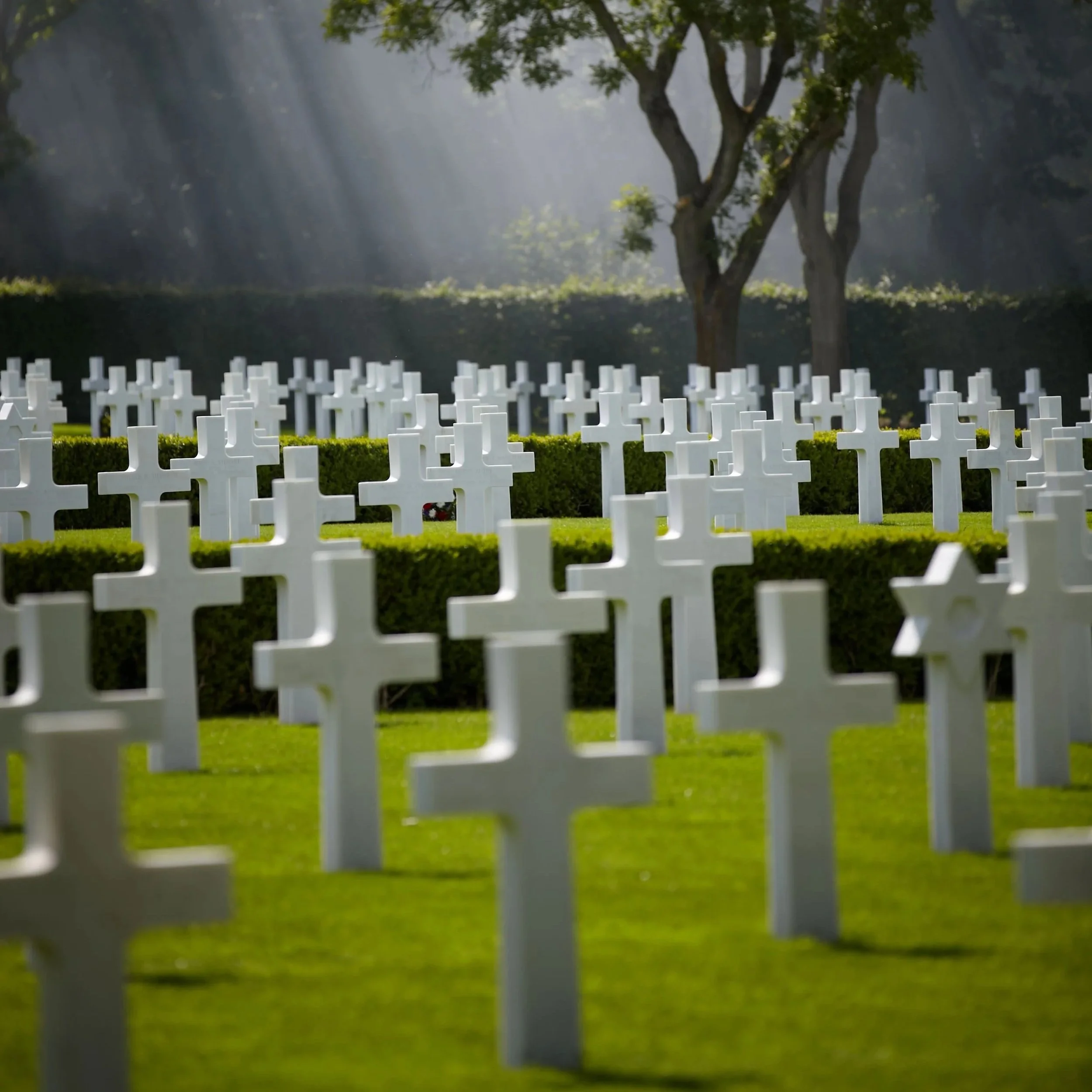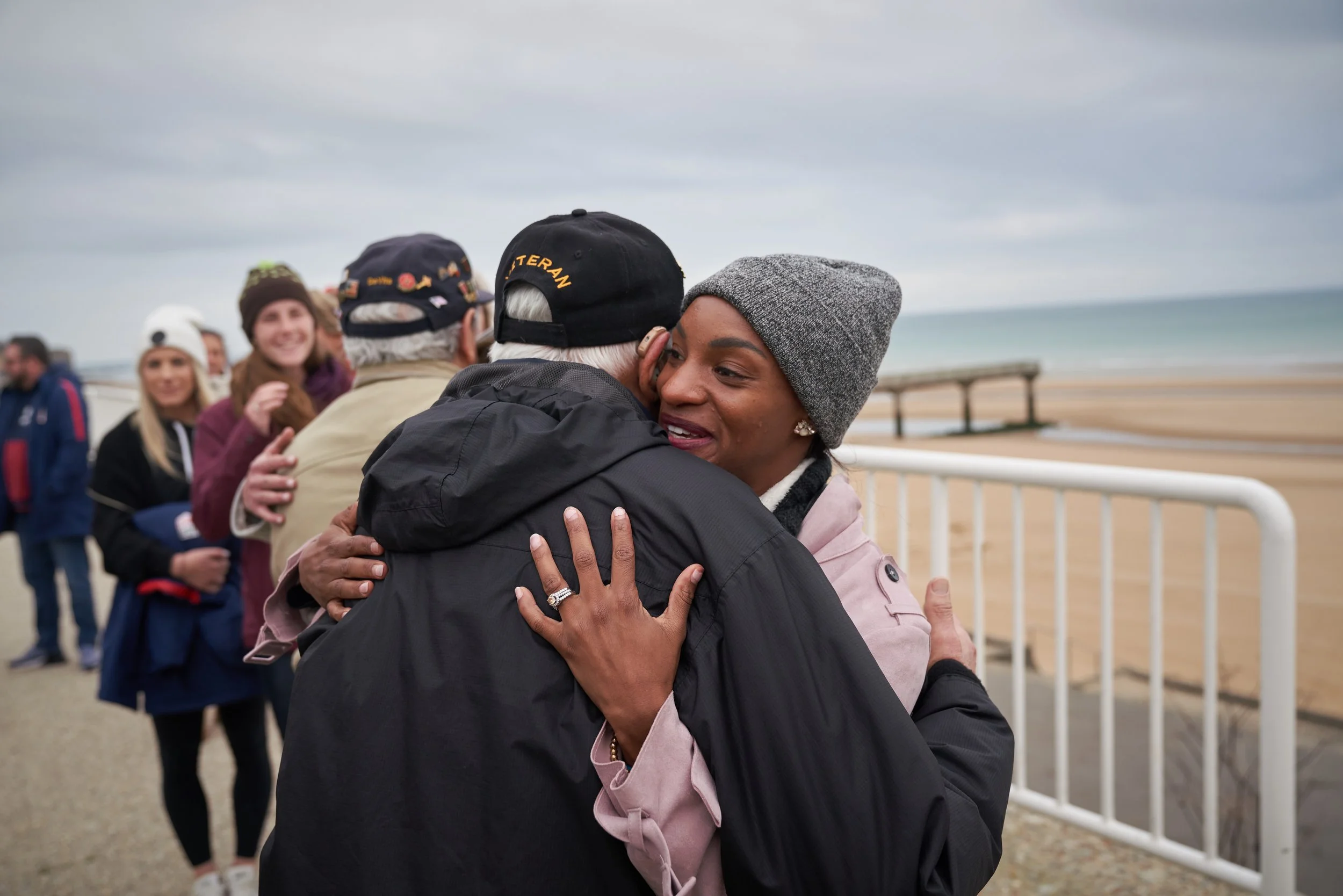
“When students walk the battlefields, they do more than study history—they feel its heartbeat, and carry forward the enduring spirit of those who gave everything for freedom.”
- Joe REILLY, 101st Airborne
Program Overview
The Class of ’44 program transforms history from words on a page into a meaningful lived experience. Rooted in the firsthand accounts and enduring legacy of World War II veterans, the program provides students with a scholarship-supported, curriculum-connected journey to Normandy, France, where place-based learning brings the events of 1944 into sharp and lasting focus. Through reflection, dialogue, and remembrance, participants examine the meaning of service, sacrifice, and leadership—then and now. In doing so, they connect the lessons of the past to their own lives, deepen their understanding of citizenship, and strengthen their capacity to serve as thoughtful leaders in their schools, communities, and country.
Our Core Values
-
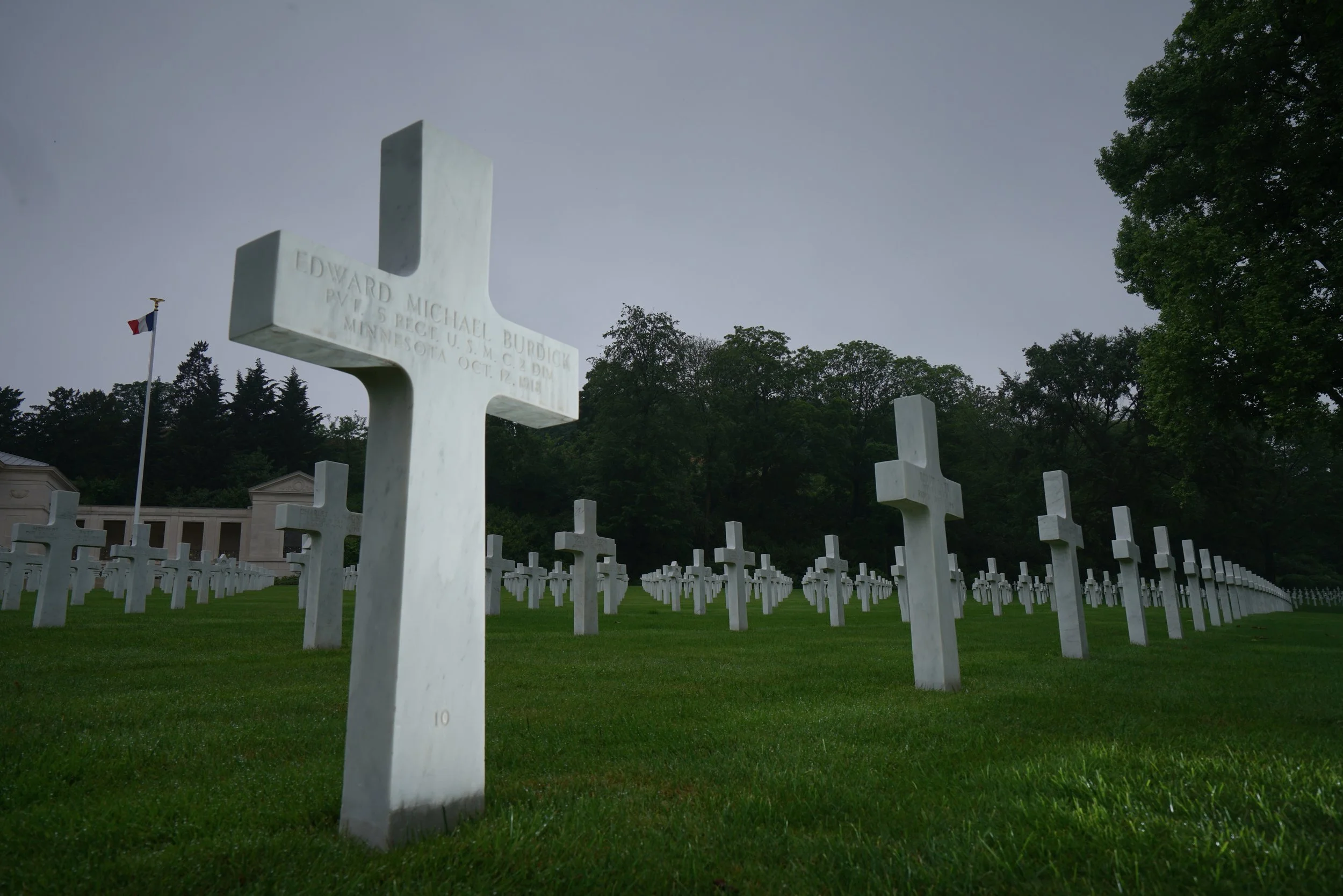
The Honor
At Connecting Generations, we teach students that honor is a choice: tell the truth, keep your word, take responsibility, and stand up for others. When young people live with honor, they lead with humility and courage, strengthening their schools, communities, and our civic life.
-
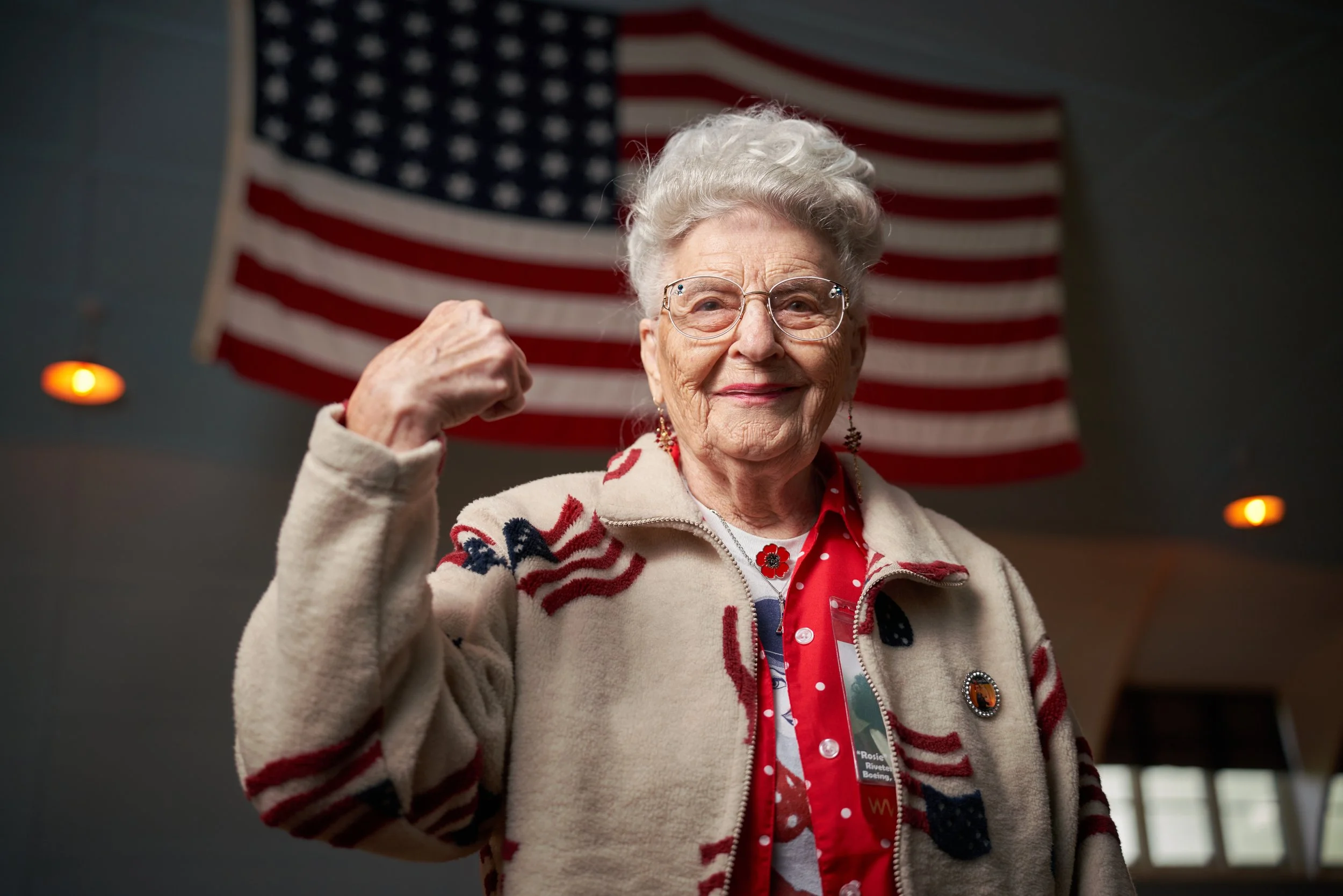
The Courage
In our program, character means having the courage to do the right thing, even when it’s difficult. Students practice honesty, stand in their values, and treat themselves and others with respect. That inner strength helps them meet challenges, choose wisely, and lead with trust.
-
The Commitment
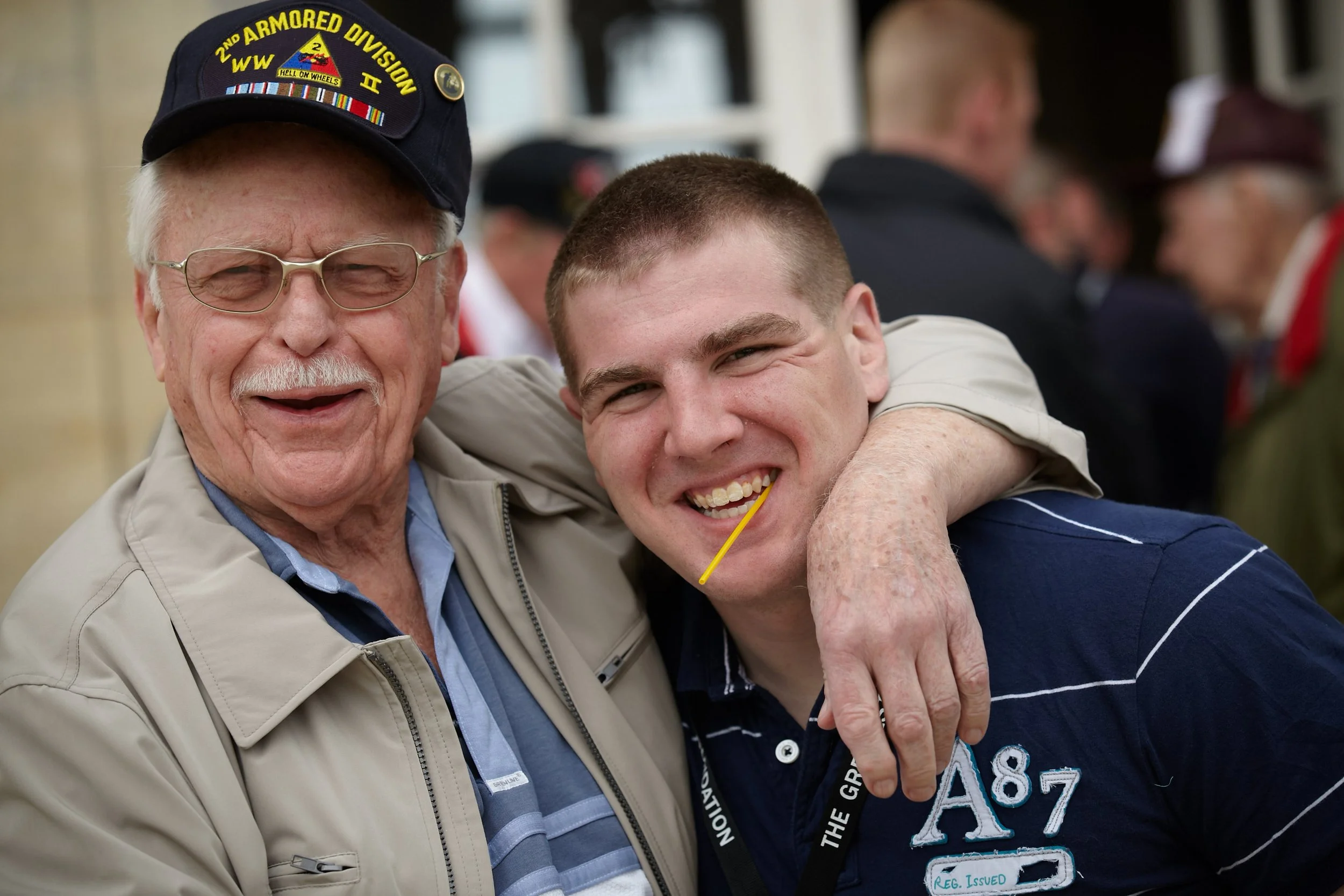
We believe young people grow through dedication and discipline—showing up, staying focused, and pushing through setbacks. When students choose that mindset, they reach their goals and gain a sense of what it means to honor, remember, and learn from those who defended our freedom.
The Curriculum
Our curriculum is thoughtfully developed by World War II veterans, allowing students to engage with history as those who served would wish it to be remembered—with humility, accuracy, and deep respect. It extends beyond the study of World War II to teach students to see not only historical events, but the people whose lives and sacrifices gave them meaning. Within this curriculum, the names of the fallen are never reduced to statistics; they are honored as heroes whose courage secured the freedoms we cherish. In bearing witness to their legacy, the next generation is called to rise to that same standard, carrying their stories of service forward with gratitude, integrity, and enduring purpose.

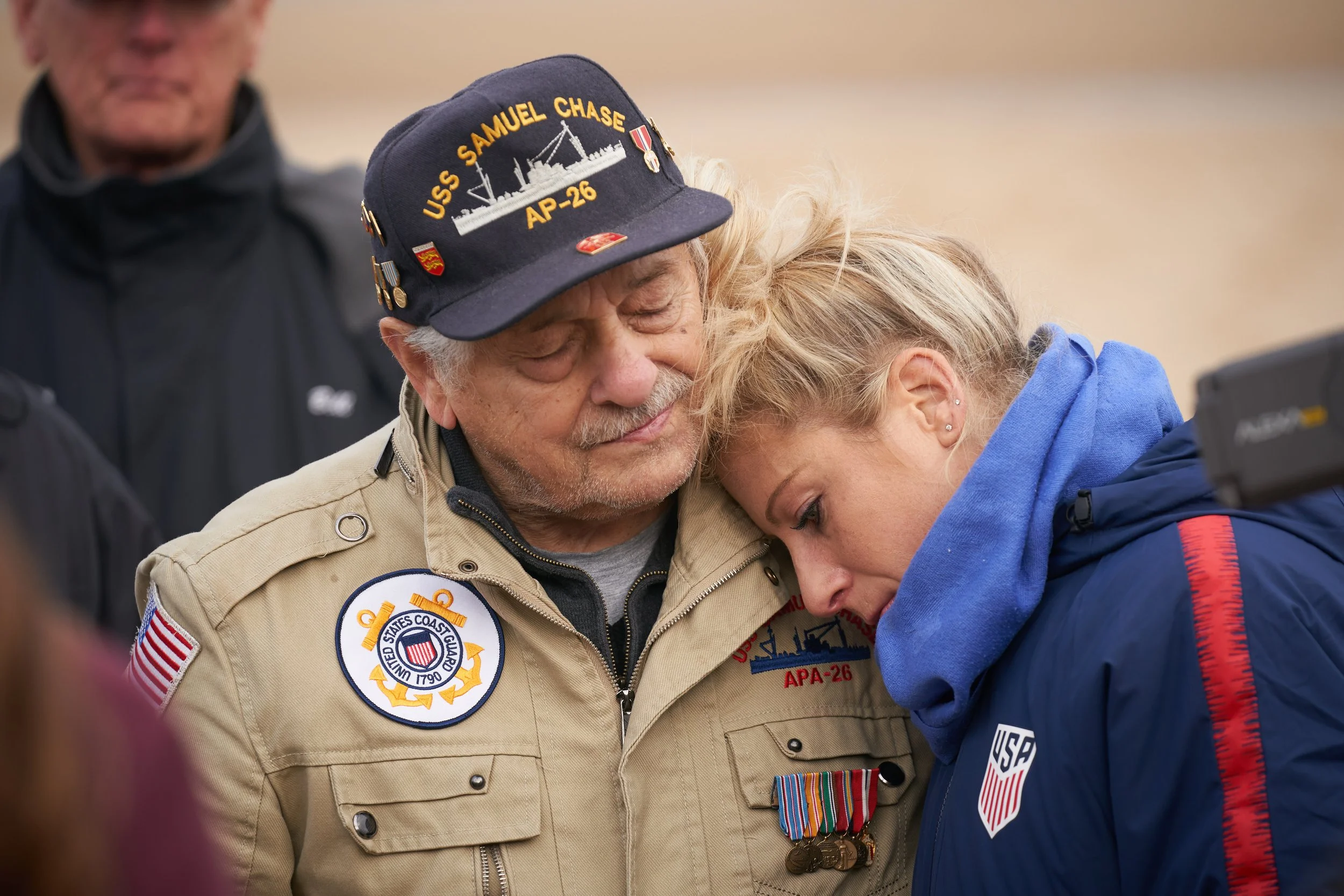
“We empower students to travel, learn, and share the living history of us World War II veterans—ensuring our legacies will inspire for generations to come.”
— Peter DUPRE , Combat Medic
Program Highlights
-
Selected schools are invited to participate in this transformative program, with priority given to those serving underserved communities. The initiative expands access to meaningful, hands-on learning in World War II history, helping students think critically, engage deeply, and connect the lessons of the past to the responsibilities they carry today.
-
Through a patriotic, curriculum-based immersion in World War II history, students learn the meaning of duty, honor, and country through the personal stories of those who defended freedom. Walking in the footsteps of America’s veterans, they confront the realities of war, reflect on the responsibilities of democracy, and understand the true cost of peace—returning home with deeper gratitude, stronger civic commitment, and a desire to serve.
-
Step into an unforgettable learning experience across Normandy’s beaches, battlefields, and memorials—places where history doesn’t feel distant, it feels real. Through hands-on, place-based learning, students stand where the world changed and take time to reflect on the courage, sacrifice, and leadership that shaped the future.
Along the way, students hear directly from historians, veterans, and military scholars who help them understand not just what happened, but why it mattered—and what it cost. These talks bring depth to each visit and turn big historical moments into lessons that still speak to the choices we face today.
Guided visits to sites like Omaha Beach, the Normandy American Cemetery, and the Caen Memorial Museum create space for powerful questions and honest conversation. Students look closely at resilience, teamwork, and moral leadership under pressure—and connect those lessons to their own lives, values, and responsibilities.
Most of all, this program is about people. Through cross-generational mentorship with veterans and educators, students help keep living memory alive—listening, asking, sharing, and carrying these stories forward so the legacy of Normandy continues to inspire the next generation.
-
We provide comprehensive support—from application steps and eligibility requirements to travel logistics and academic preparation—so schools and students can focus on the experience, not the paperwork. Built to align with educational standards and classroom objectives, the program strengthens instruction while helping students engage deeply with World War II history and understand why its lessons still matter today.
-
The program brings together history, civics, social-emotional learning, and leadership to create a well-rounded experience. Students build strong historical understanding, explore duty and democracy in action, and grow in empathy and resilience. They also develop storytelling and communication skills—returning home ready to share what they’ve learned as thoughtful ambassadors of remembrance and civic engagement.
-
The program equips students to help preserve veterans’ legacies, deepen their understanding of history, and apply the lessons of the past to today’s civic challenges. By reflecting on sacrifice, resilience, and moral choice, participants build empathy, character, and leadership—returning home as responsible citizens committed to honoring history and shaping a stronger future.
Nominate Your School
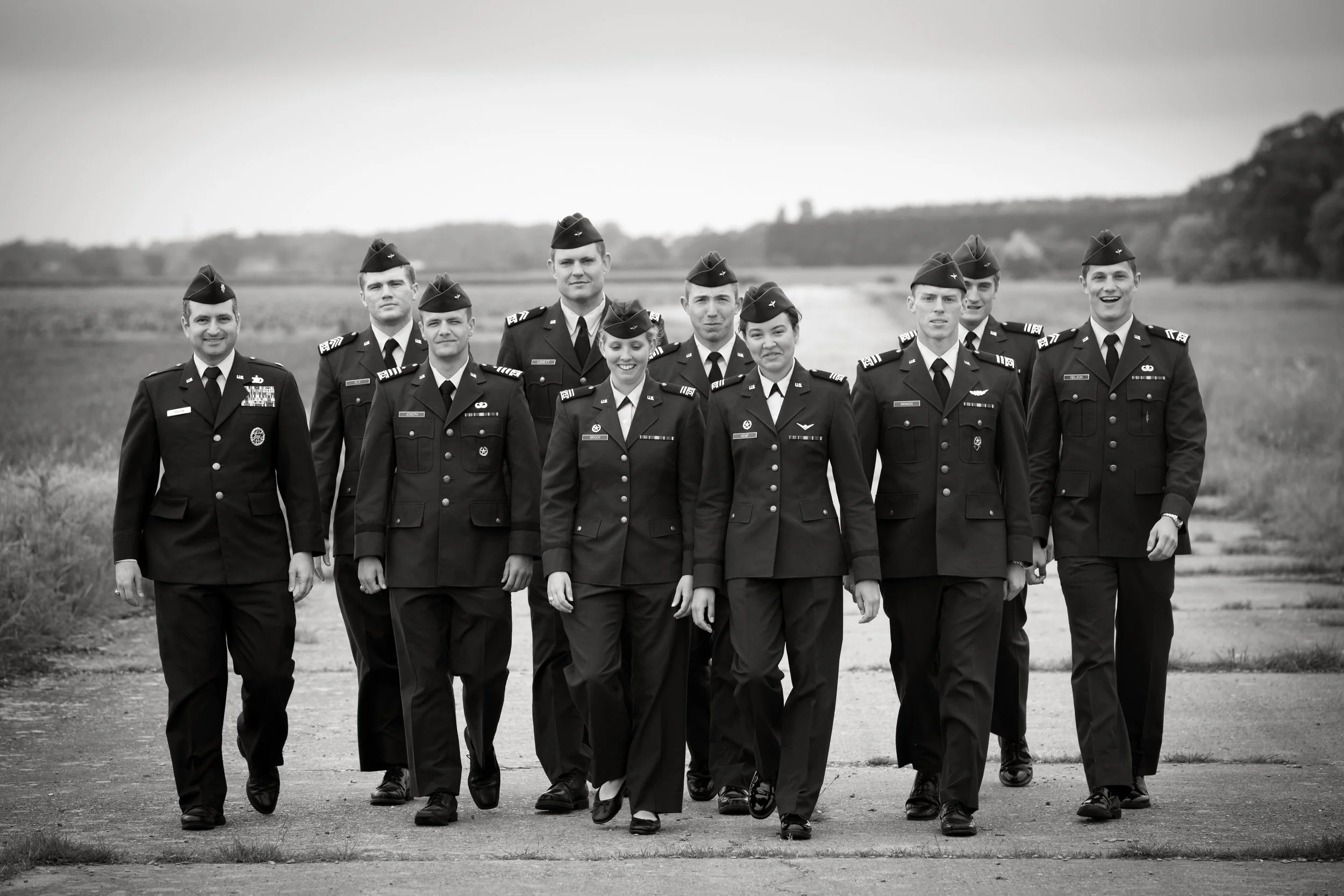
To be considered for participation, each school must submit a student-written nomination letter, not to exceed 500 words, explaining why the school should be selected. The letter should convey a genuine reverence for history, sincere gratitude for the service and sacrifice of World War II veterans, and a strong commitment to civic responsibility and service. Most importantly, it should demonstrate the school’s readiness to embrace the work this program asks of its students: to engage deeply in rigorous, place-based learning; to honor the legacy of the last living veterans; and to help preserve their stories by carrying forward, through both words and actions, the values for which they served and sacrificed.